
Artificial Intelligence · Conversational AI
Why Support Queues Can Look Healthy and Still Fail
A support queue can look healthy on paper while the same customer issue keeps returning. That is one of the most common traps in scaling customer experience: we focus on volume, but the real...
A support queue can look healthy on paper while the same customer issue keeps returning. That is one of the most common traps in scaling customer experience: we focus on volume, but the real signal is often hidden in the pattern.
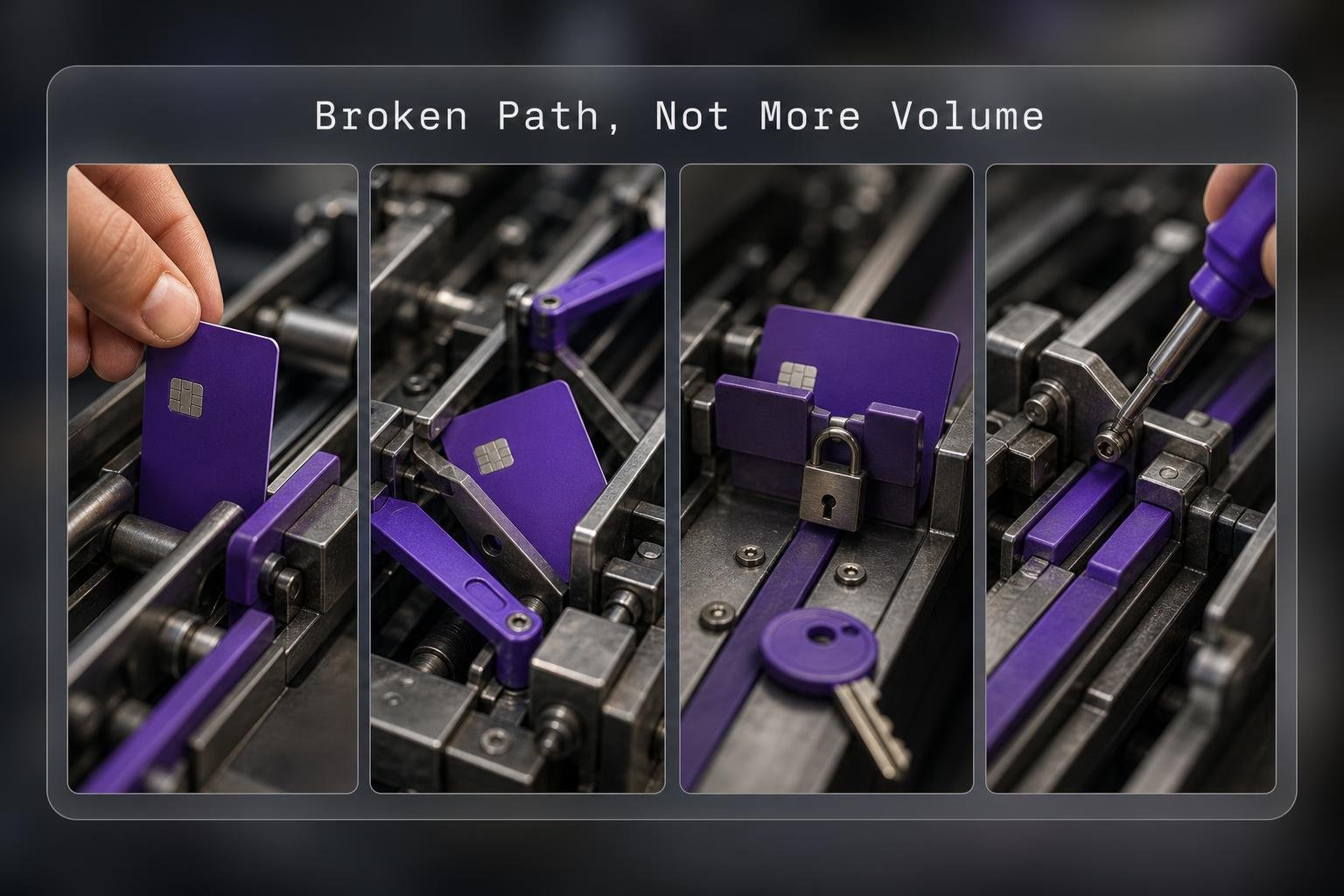
When automation is working well, it should remove friction and reduce repeat contacts. But when the same issue shows up through different intents, the queue may be telling a different story. Customers are not always experiencing separate problems. They may be moving through one broken path, and the bot or workflow is only resolving the first step.
Review automation failures by intent, not just by volume
Volume alone can be misleading. A high number of deflected tickets does not always mean the experience improved. If customers repeatedly trigger “update payment method” and “can’t log in,” those may not be two unrelated issues. They may be two points in the same journey where the handoff is failing.
That is why we should review automation failures by intent. Intent-based analysis helps us see where the conversation breaks, where the customer is forced to restart, and where the automation stops being useful. It shifts the question from How many tickets were handled? to Did the customer actually get through the path?
When a bot moves work instead of removing it
A bot that answers the first step but misses the next one is not reducing work. It is moving the work somewhere else. The customer may still need to contact support, and the team may end up handling a more frustrated version of the same case.
That matters for CX leaders and Support Directors because a healthy queue can hide repeated failure. If we only measure deflection, we can mistakenly add more automation rules around a weak flow and increase the appearance of scale without improving the experience.
The practical response is to inspect the break point first. We should identify where the conversation fails, correct that path, and only then expand automation coverage. In many cases, that sequence produces a better result than simply adding more deflection logic.
Improve quality before scale hides the pattern
Support teams need visibility into the moments where automation loses the customer. Without that visibility, the same issue can keep resurfacing under different labels, making it harder to see the real operational cost. Quality slips quietly, and the queue still looks manageable.
That is why our approach at ChatMetric centers on clarity before scale. We help support teams see breakdowns in the journey so they can improve quality before growth hides the pattern. When teams understand where the conversation breaks, they can fix the path instead of repeatedly patching the symptom.
For organizations looking to scale without losing quality, this is a practical shift in operating discipline. It is not about replacing automation. It is about making automation accountable to the customer journey it is meant to support. For more on how we think about support performance and journey visibility, visit ChatMetric. If you want a clearer view of where automation is helping and where it is simply relocating work, see our support analytics approach.
What to do next
Start by reviewing recurring intents together, not in isolation. Look for clusters that suggest a broken path rather than separate issues. Then examine the exact point where the conversation breaks, and correct that handoff before adding more rules.
That is how support teams protect quality while scaling. Not by chasing more coverage, but by understanding where the customer experience is still failing.